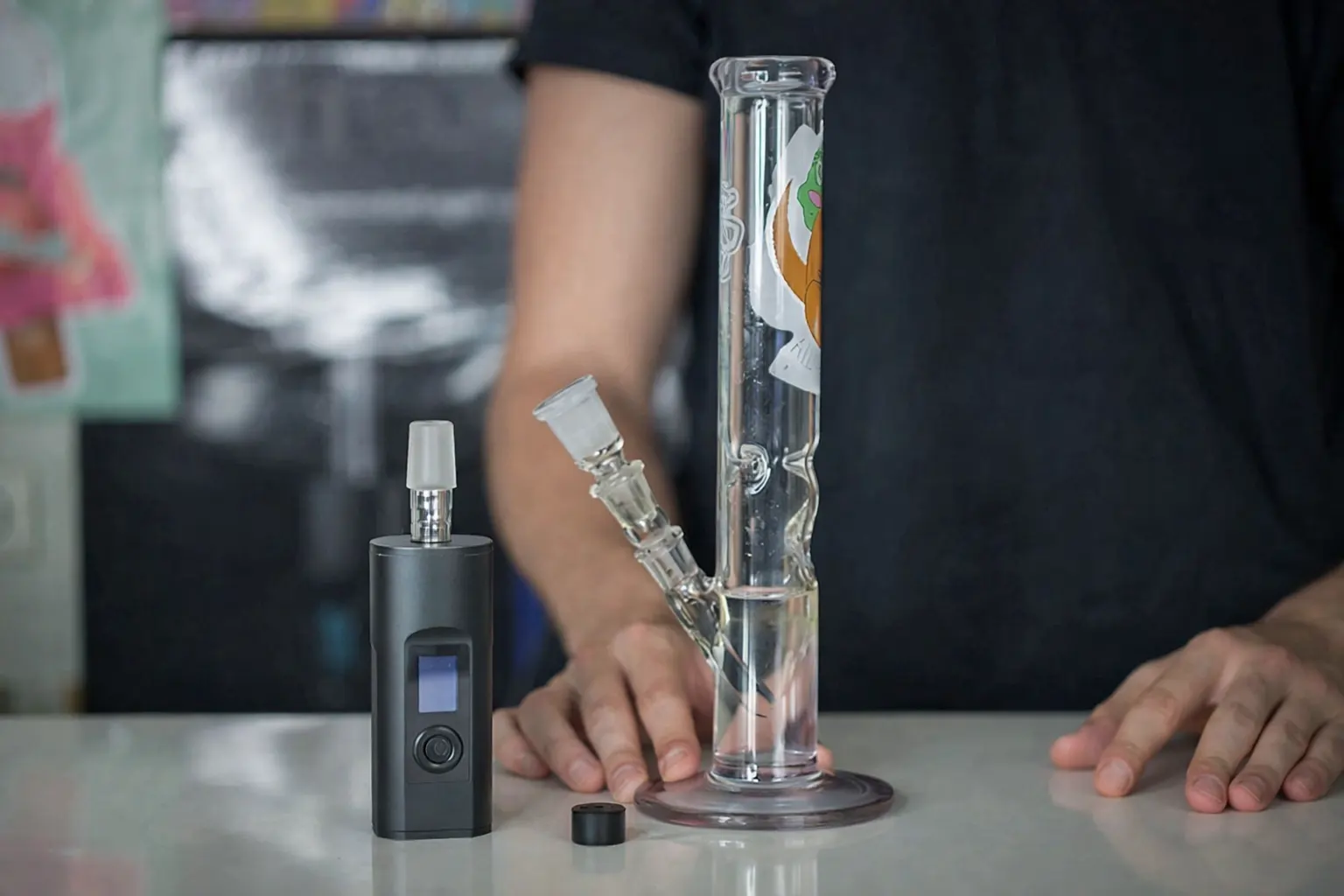
How to Choose the Right Bong — A Beginner’s Guide

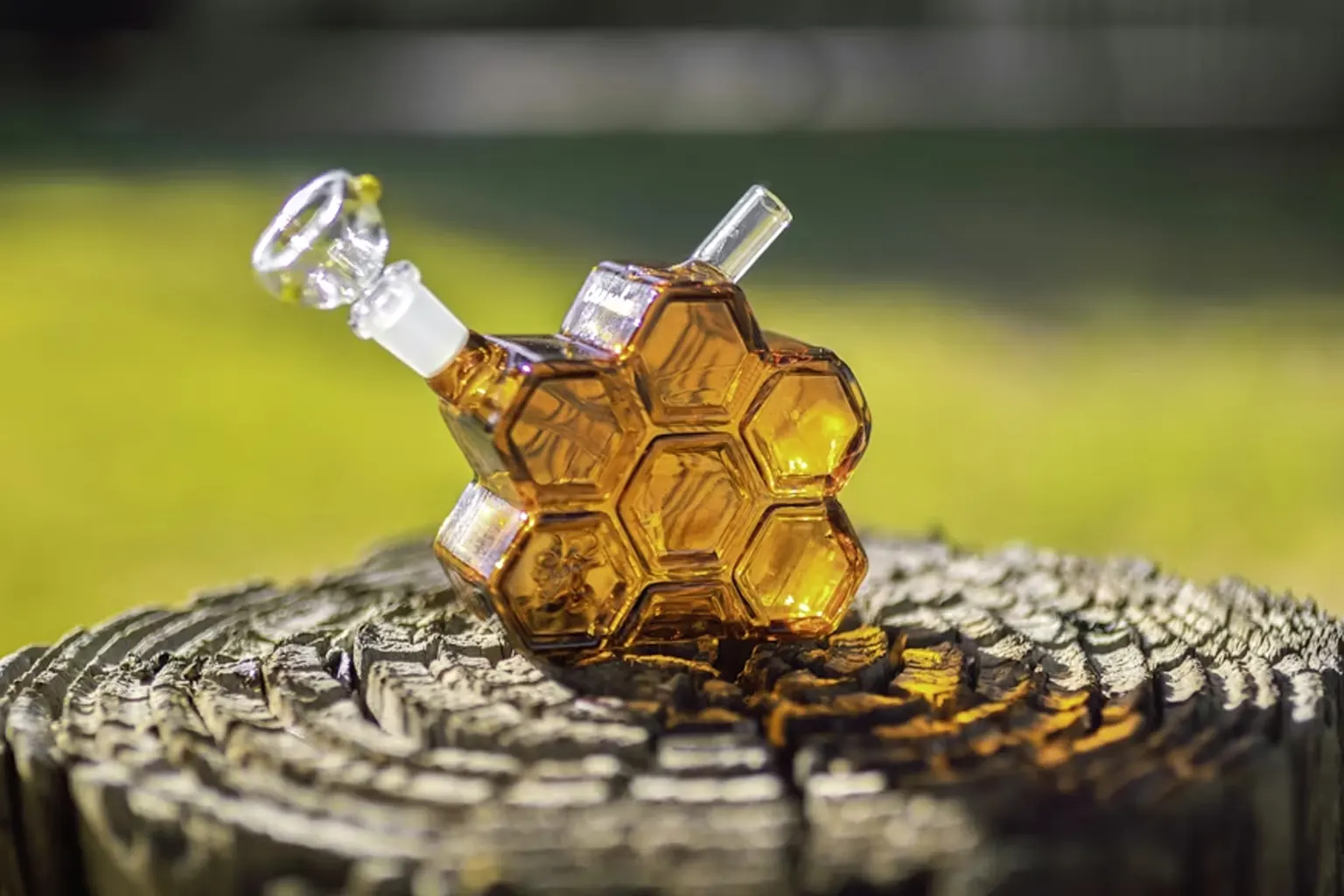
Everything you need to know before buying your first (or next) water pipe — materials, sizes, percs, and more.
So you’ve decided to buy a bong. Welcome to one of the more enjoyable rabbit holes in smoking culture — a world full of weird shapes, satisfying gurgles, and glass you’ll either treasure or accidentally knock off the coffee table within a week.
The problem is, walking into a smoke shop (or scrolling through one online) can feel overwhelming fast. Small bong, big bong, beaker or straight tube, with a perc or without? And what even is a downstem?
This guide cuts through all of that. Whether you’re buying your first piece or upgrading from a dusty old spoon pipe, here’s everything you need to make a solid decision. And when you’re ready to browse, check out the High Finds bong collection — where we round up some of the coolest and most unique water pipes we’ve come across.
| ℹ️ NOTE — This article is for informational and educational purposes only. Always act responsibly and in accordance with the laws of your country. |
What Actually Is a Bong?
A bong — also called a water pipe — is a filtration device for smoking. The basic idea: smoke travels through water before reaching your lungs, cooling it down and filtering out some of the heavier particles. The result is generally a smoother, less harsh hit compared to a regular pipe or a rolled joint.
At its core, every bong has the same parts: a bowl (where you pack your herb), a downstem (the tube that goes into the water), a water chamber, and a mouthpiece. Everything beyond that is a feature, an upgrade, or a design choice.
Step 1 — Pick Your Material
The material your bong is made from affects durability, taste, weight, and how easy it is to clean. Here’s the breakdown:
Borosilicate Glass
This is the gold standard. Borosilicate glass is heat-resistant, neutral in flavour, and easy to clean. It’s what most quality bongs are made from. The downside? Drop it on a hard floor and it’s gone. If you’re clumsy or plan to travel with it, this might not be your first choice — but for a home setup, it’s hard to beat.
Silicone
Basically indestructible, dishwasher-safe, and cheap. Silicone bongs are great for outdoor sessions, camping, or anyone who knows themselves well enough to admit they’ve broken things before. The taste is fine with modern food-grade silicone, though purists prefer glass. A good example of silicone done right is the Collapsibong by Wolf Grinders — a full-size silicone bong that folds down to 2.5 inches for travel. We have a full glass vs silicone pipe comparison in the High Finds blog if you want to dig deeper.
Acrylic
The budget option. Acrylic bongs are cheap, durable, and widely available. They don’t hit as clean as glass and can develop a plastic taste over time, especially if not cleaned regularly. Fine for a beginner on a tight budget, but most people eventually upgrade.
Ceramic
Heavy, beautiful, and often wildly designed. Ceramic bongs hold heat differently than glass and can look like actual art. They’re less common but worth considering if aesthetics matter as much as function to you. The Witch’s Potion Bottle Bong by The Moss Goddess is a great example — a handcrafted ceramic piece glazed in amber and pearl tones that genuinely looks like a shelf ornament.
Step 2 — Choose Your Shape
The shape of a bong affects how it hits, how stable it is, and how easy it is to clean.
Beaker Bong
The classic. A wide, flat base (like a science beaker) makes this incredibly stable — great if you’re worried about tipping. The larger water chamber also means bigger, more milky rips. A solid all-around choice, especially for beginners. The Nermal UFO Beaker XL is a fun example — full beaker build with glow-in-the-dark artwork, proving the shape doesn’t have to be boring.
Straight Tube
A cylinder from base to mouthpiece. Easier to clear (no extra drag from a large chamber), and simpler to clean. The tradeoff is stability — a narrow base tips over more easily. Great if you like direct, fast hits.
Recycler / Rig-Style
More complex designs with multiple chambers that cycle water and smoke for extra filtration and cooling. Typically used for concentrates/dabs, but some flower smokers love them too. Best left for when you know what you’re doing.
Mini Bong
Small, discreet, and easier to store. Mini bongs (usually under 6 inches) are great for solo sessions or travel. The hits are harsher than a larger piece simply because there’s less water to cool the smoke, but the portability is a real plus. The Hemper Chinese Takeout Bong is a 6-inch example that proves mini doesn’t have to mean boring.
Step 3 — Understand Percolators
A percolator (or “perc”) is an extra filtration device inside the bong that breaks smoke into smaller bubbles, creating more surface area contact with the water. The result? Smoother, cooler hits. We’ve got a dedicated explainer on percolators if you want the full breakdown, but here’s the quick version:
- Tree percs — multiple arms that diffuse smoke into many streams
- Honeycomb percs — flat disc with holes, great airflow and minimal drag
- Showerhead percs — a single tube that fans out like a showerhead
- Turbine/cyclone percs — create a visual spiral effect as well as filtration
More percs generally means smoother smoke, but also more drag (resistance when inhaling) and more surface area to clean. For beginners, one good perc is plenty.
Step 4 — Size Matters (Really)
Bigger isn’t always better. Here’s a quick size guide:
| Under 8 inches Mini/travel size. Harsher hits, highly portable. Good for solo sessions and stealth storage. 8–14 inches The sweet spot for most users. Big enough to cool smoke well, small enough to handle easily and store discreetly. 14 inches and up Full-size statement pieces. Massive rips, very smooth, usually kept on a table or shelf. These are for sessions, not quick hits. |
Step 5 — Joint Size and Compatibility
This one trips a lot of new buyers up. Bongs come with different joint sizes (10mm, 14mm, 18mm) — these determine what bowls, downstems, and accessories are compatible with your piece. The 14mm joint is the most common and the easiest to find accessories for.
If you’re buying a bong and want to add a different bowl later, or eventually try concentrate attachments, go with 14mm. You’ll have far more options.
Step 6 — Think About Cleaning
This part gets skipped, then regretted. A bong that’s hard to clean will either become disgusting or break from rough handling when you try to clean it. Before buying, ask yourself:
- Can I reach every part of this with a brush or cleaning solution?
- Are there lots of small percs and chambers that will trap resin?
- Does it come apart for easier cleaning?
A simple beaker with a removable downstem is the easiest to maintain. The more complex the perc setup, the more effort cleaning takes. Isopropyl alcohol + coarse salt is the standard cleaning method — shake it in, rinse thoroughly.
Step 7 — Budget Ranges
You can spend anywhere from $20 to $2,000+ on a bong. Here’s what to realistically expect at different price points:
- Under $30 — Acrylic or very basic glass. Functional but not great. Fine to start.
- $30–$80 — Entry-level borosilicate glass. This is where quality starts. Look for thickness (4–5mm glass minimum).
- $80–$200 — Mid-range glass with real percs, quality downstems, and better brands. The sweet spot for most people.
- $200+ — High-end artisan glass, complex multi-perc rigs, brand-name pieces. Buy when you know what you love. The Stündenglass Gravity Infuser or the handmade BTGB Pokéball Koffing Bong are the kind of pieces that live in this territory.
Don’t over-invest until you know your preferences. A $50 beaker bong will tell you a lot about what you actually want in a $150 piece.
A Note on Ice Catchers
Many mid-to-large bongs include an ice catcher — small notches in the neck that hold ice cubes. The smoke passes over the ice before reaching your mouth, cooling it dramatically. If you tend to find bong hits too harsh, an ice catcher is a very easy upgrade that doesn’t add much cost. Look for it in the product description when browsing.
Ready to Browse?
Now that you know what you’re looking for, head over to the High Finds bong category to see some of the most unique and interesting water pipes we’ve come across. From collector-grade artisan glass to functional everyday pieces, there’s something for every budget and style.
And if you’re still figuring out the basics — like what a percolator actually does — we’ve got you covered in the High Finds blog.
| Key Takeaways Borosilicate glass is the best material for home use; silicone wins for travel and durability. Beaker bongs are the most stable and beginner-friendly shape. One percolator is plenty for beginners — more percs means smoother smoke but harder cleaning. 8–14 inches is the sweet spot size for most users. 14mm joint size is the most versatile for accessories. Don’t over-spend until you know your preferences — a $50 beaker bong is a great teacher. |