How to Clean a Silicone Pipe Fast

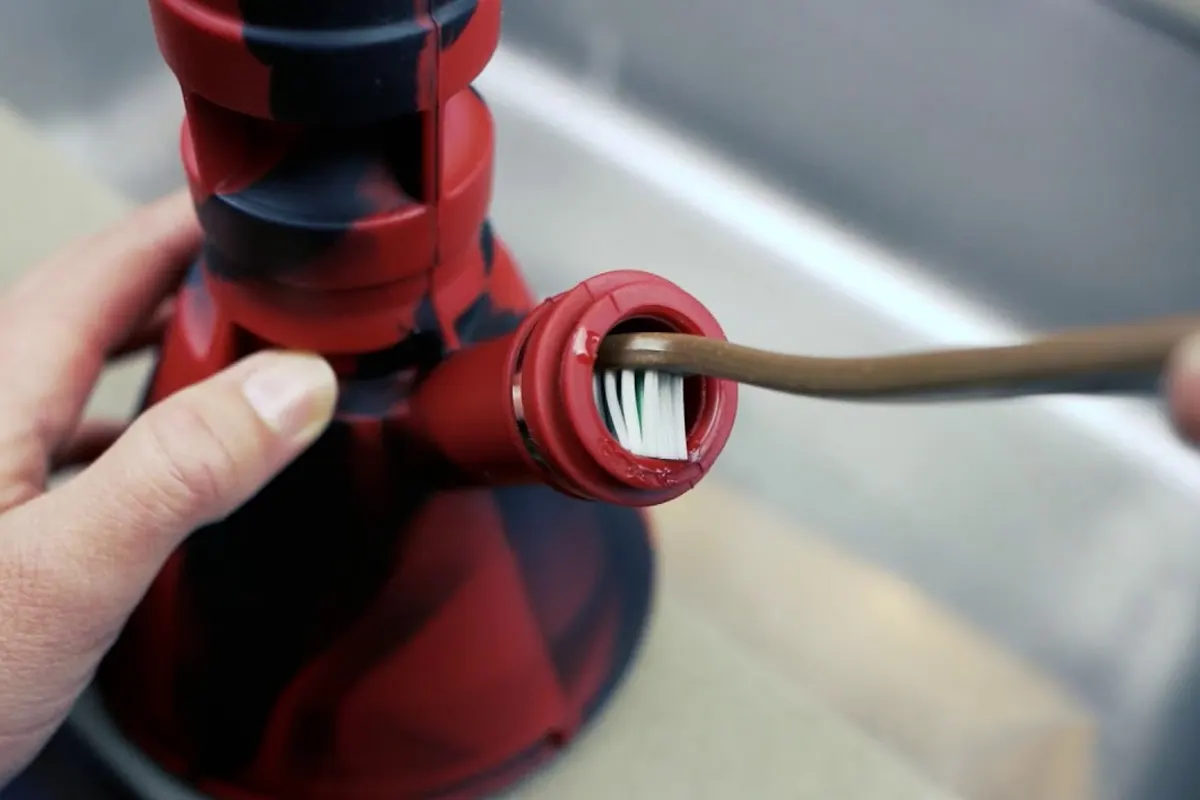
Silicone is tough, travel friendly, and forgiving. The only catch is that oils can cling if you let buildup sit. This quick routine gets you back to a fresh-tasting pull in minutes without special tools.
What you’ll need
- Warm water and dish soap
- Isopropyl alcohol (70–99%) for stubborn spots
- Cotton swabs or a soft bottle brush
- Paper towels or a microfiber cloth
- Optional: small Zip bag or lidded container
The fast clean (everyday routine)
- Disassemble what you can
Remove any glass or metal bowl/insert and set it aside. Pop off caps or stems if your piece allows it. - Hot water rinse
Run the silicone under warm to hot water for 20–30 seconds to loosen fresh resin. Avoid boiling. - Soapy shake
Add a drop of dish soap and warm water to the body, cover openings with your fingers, then shake and massage the walls. Rinse. Repeat once if needed. - Spot detail
Use cotton swabs or a soft brush on corners, mouthpiece, and airway. Don’t scrub with anything abrasive. - Dry completely
Pat with a towel and air dry a few minutes before reassembly. Moisture left inside can cause splashback.
This whole pass usually takes 2–3 minutes and keeps flavor crisp.
For heavier buildup
- ISO quick soak: Place the silicone only (not electronics, not wood) in a Zip bag with a small splash of isopropyl alcohol, swish for 30–60 seconds, then rinse thoroughly with warm water and a drop of dish soap.
- Glass or metal parts: Soak those separately in ISO, then rinse and dry.
- Tiny holes: A pipe cleaner or interdental brush clears the airway without scratching.
Tip: if the piece has removable silicone sections, open them so alcohol and water can reach hidden seams. Always finish with a soap-and-water rinse after ISO.
Odor control fast track
- After cleaning, do a 30–60 second soapy rinse and dry well.
- For stubborn scents, fill with warm water + a teaspoon of baking soda, let sit 10–15 minutes, then rinse.
- Store the pipe fully dry in a small pouch or smell-proof sleeve.
What not to do
- No open flame on silicone and no boiling. High heat can deform the material.
- No harsh abrasives or metal brushes that can scuff surfaces.
- Don’t mix ISO with hot water at the same time inside the piece. Use ISO first, rinse, then use warm soapy water.
Prevention that saves time
- Quick rinse after sessions. A 10-second hot water rinse stops resin from hardening.
- Use a glass or metal bowl insert. Hot spots stay in the insert, not the silicone.
- Keep a mini kit. Travel bottle of dish soap, a few swabs, and a microfiber cloth.
- Air dry with openings down. Gravity removes leftover droplets.
FAQs
Is isopropyl alcohol safe for silicone?
For short soaks and quick swishes, yes. Always finish with a warm soapy rinse and full dry.
Can I put silicone in the dishwasher?
Many food-grade silicones tolerate the top rack. Resin can spread in the machine though, so a hand clean is usually faster and tidier.
Why does my silicone still smell after cleaning?
Residual moisture or oils in seams can hold scent. Do a short baking soda soak, rinse, and dry fully before storage.